
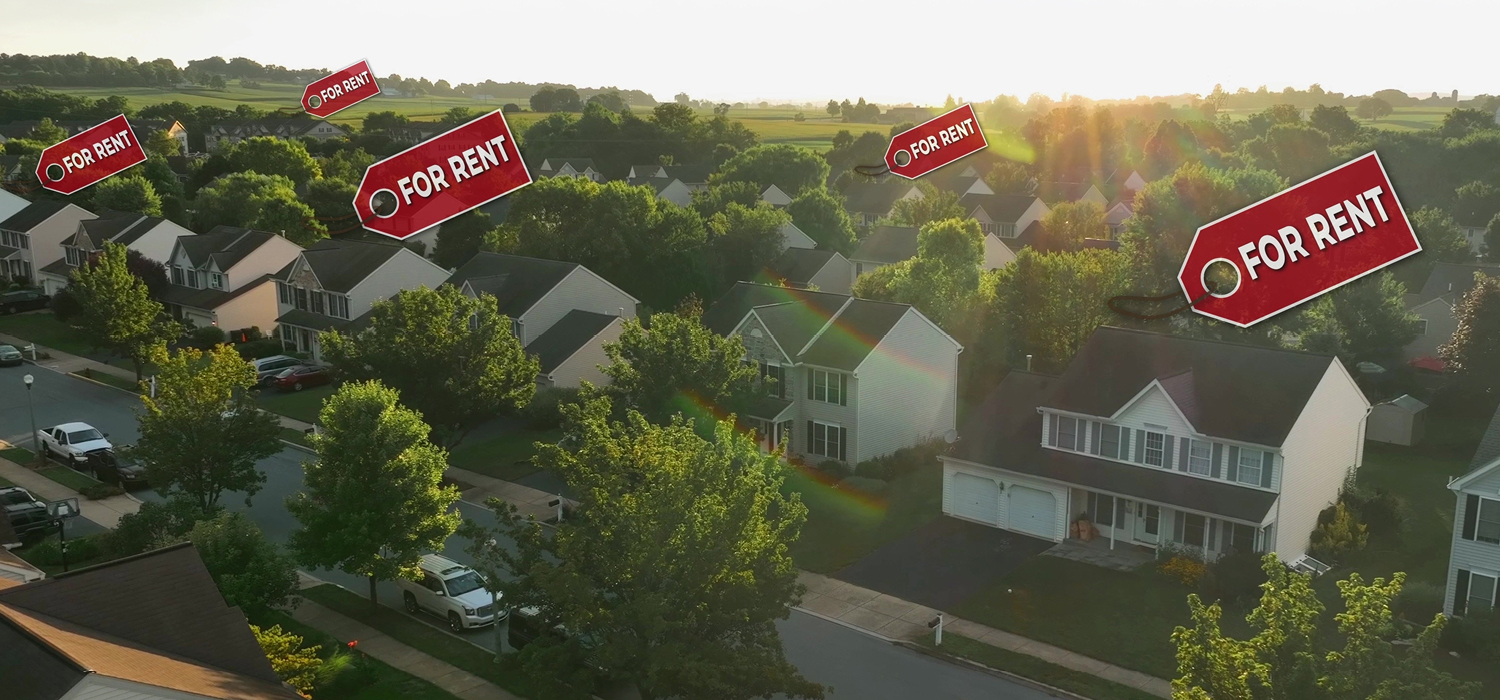
Thinking About Renting Out Your Home? Here’s What to Know First
Yes, you may be able to rent out your home—but before you list it, you’ll want to review your mortgage terms, insurance coverage, local guidelines, and long-term financial goals. A quick check-in with your Mortgage Loan Officer can help you move forward with clarity and confidence.
Why Homeowners Consider Renting
Life changes. And when it does, renting your home can feel like a smart next step.
You might be:
- Relocating for work but not ready to sell
- Upsizing or downsizing and keeping your current home as an investment
- Exploring passive income opportunities
- Waiting for the right time to sell
Wherever you are in your journey, this is a great moment to pause and make sure your next move supports your bigger financial picture.
Step 1: Review Your Mortgage Terms
Your first stop is your current loan.
Most mortgages fall into one of two categories:
- Primary residence loans
- Investment property loans
If you purchased your home as a primary residence, your loan likely included an agreement that you would occupy the home for a certain period of time (often at least 12 months).
What this means for you:
- Renting too soon could conflict with your original loan terms
- If enough time has passed, you may have flexibility
- Every situation is different, so it’s worth confirming before moving forward
✔️ Next step: Connect with your Mortgage Loan Officer to review your specific loan details.
Step 2: Understand Local Guidelines and HOA Rules
Before listing your home, check for any local or neighborhood restrictions.
These can include:
- HOA or condo association rules (some limit or prohibit rentals)
- City or county regulations on rental properties
- Short-term rental restrictions (like Airbnb or VRBO limitations)
Why this matters:
Not all rentals are treated the same. Long-term leases and short-term rentals often fall under different rules.
✔️ Next step: Review your HOA documents and local guidelines to avoid surprises.
🔍 How to Find Your Local Rental Rules (Quick Search Guide)
Local guidelines for renting your home can vary widely by city, county, and even neighborhood. A quick online search can point you in the right direction—but using the right phrases makes all the difference.
Try searching:
- “[Your city] short-term rental regulations”
- “[Your city] Airbnb rules and restrictions”
- “[Your county] rental property requirements”
- “[Your city] landlord registration requirements”
- “[Your city] zoning rules for rental properties”
- “[Your HOA name] rental restrictions”
- “[Your city] vacation rental permit requirements”
- “[Your state] landlord laws and tenant rights”
Pro Tip:
Look for results from official sources like:
- City or county government websites (.gov)
- Local housing authorities
- Planning or zoning departments
When in Doubt, Ask
If you’re not sure how the guidelines apply to your specific situation, it’s always worth a quick call to your local municipality—or a conversation with your Mortgage Loan Officer to help you think through next steps.
Step 3: Update Your Homeowners Insurance
This is one of the most commonly overlooked steps.
A standard homeowners insurance policy is designed for owner-occupied homes. Once you convert your home into a rental, you’ll likely need a landlord or dwelling policy.
Key differences:
- Covers tenant-related risks
- May include loss of rental income protection
- Adjusts liability coverage
Why this matters:
Without the right coverage, you could be exposed to unexpected costs.
✔️ Next step: Call your insurance provider before your first tenant moves in.
Step 4: Revisit Your Financial Strategy
Renting your home isn’t just about collecting monthly rent—it’s about making sure the numbers work for you.
Consider:
- Your monthly mortgage payment vs. expected rental income
- Property taxes and insurance (which may change over time)
- Maintenance, repairs, and vacancy periods
- Property management (if you don’t want to self-manage)
A simple mindset shift:
Think of your home as a long-term asset, not just a short-term income source.
✔️ Next step: Build a basic rental budget so you understand your full picture.
Step 5: Plan for Taxes and Documentation
Renting your home introduces new tax considerations.
You may be able to:
- Deduct certain expenses (maintenance, insurance, property management)
- Report rental income differently than personal income
Why this matters:
Good record-keeping now can make tax season much smoother later.
✔️ Next step: Connect with a tax professional to understand how this applies to your situation.
Step 6: Think Through the Long-Term Plan
Renting your home can be a powerful wealth-building tool—but it works best when it aligns with your goals.
Ask yourself:
- Do I plan to keep this property long-term?
- Could I use this equity to purchase another home?
- Would refinancing improve my flexibility down the road?
This is where a conversation with your Mortgage Loan Officer can really add value.
✔️ Next step: Schedule a quick strategy conversation to map out your options.
Common Questions We Hear from Clients
Can I rent out my home right away?
It depends on your loan terms and how long you’ve lived in the home. A quick review can clarify your timeline.
Will renting affect my ability to buy another home?
It can. Rental income may help with qualifying, but guidelines vary. It’s helpful to plan ahead.
Should I refinance before renting?
In some cases, it may make sense. In others, your current loan may already be a strong fit. This is worth reviewing together. *
We’re Here for What’s Next
Your homeownership journey doesn’t stop at closing—and neither does our support.
Whether you’re exploring your first rental, thinking about your next purchase, or simply want to understand your options, your TowneBank Mortgage Loan Officer is here to help you move forward with clarity.
Let’s take the next step together.
A quick conversation today can help you make a confident decision for tomorrow.
*Refinancing an existing loan may result in finance charges being higher over the life of the loan and a reduction of payments may reflect a longer term. Approvals are subject to underwriting and program guidelines based on eligibility.